

How Much Does It Cost to Get a Dog Neutered? A Complete Guide for Pet Owners
Bringing a dog into your home comes with a long list of responsibilities, and one of the most important decisions a pet parent will make is whether, when, and where to get their dog neutered. Among the very first questions almost every new dog owner types into a search bar is simple but loaded with nuance: how much does it cost to get a dog neutered? The honest answer is that there is no single number that applies to every dog, every clinic, or every region. Instead, the cost depends on a web of factors ranging from your dog’s breed and weight to the type of veterinary facility you choose, the region you live in, and whether any subsidy or welfare program is available to you. This guide takes a deep, practical, and research-backed look at everything that shapes the cost of neutering a dog, while also examining the broader policy landscape, regional variations, community outreach efforts, and the future of affordable pet sterilization.
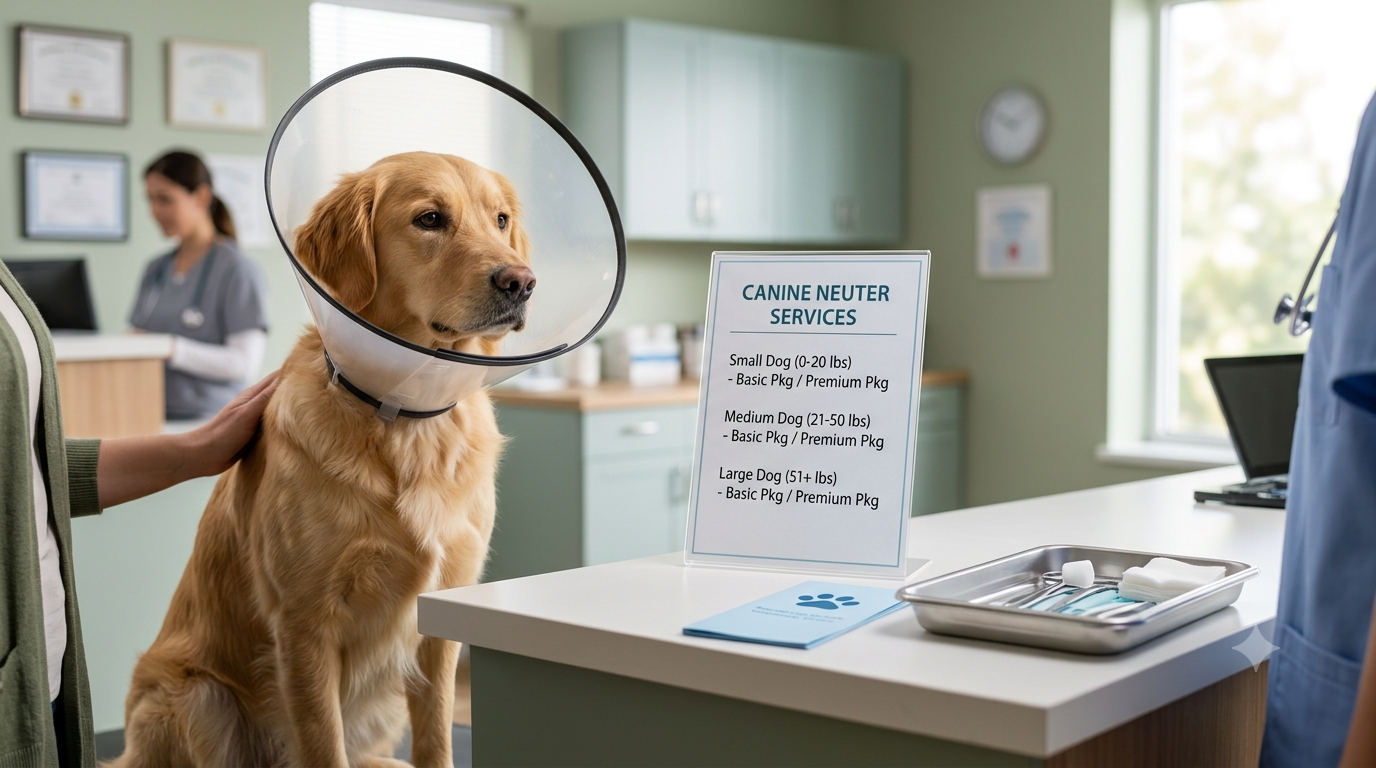
Neutering is not merely a medical procedure; it is a public health and animal welfare intervention with ripple effects across communities. Understanding how much does it cost to get a dog neutered requires looking beyond the vet’s invoice and into the larger ecosystem of animal welfare policy, rural outreach, and social initiatives that many governments and non-profit organizations have built around responsible pet ownership. By the end of this article, you will have a clear, well-rounded understanding of pricing, procedure, regional differences, and the support systems designed to make neutering accessible to every pet owner, regardless of income or location.
Understanding Dog Neutering: A Brief History and Evolution
Neutering, medically known as castration in male dogs, involves the surgical removal of the testicles to prevent reproduction and reduce certain hormone-driven behaviors. The practice traces its roots back centuries, originally used in livestock management to control breeding and improve temperament in working animals. It was not until the twentieth century, as veterinary medicine matured and anesthesia became safer, that neutering became a routine procedure for companion animals like dogs and cats.
The mid-1900s saw a rise in stray animal populations in many urban centers, prompting veterinary associations and animal welfare organizations to promote neutering as a humane, long-term solution to overpopulation. Over the following decades, neutering evolved from a niche practice among breeders and farmers into a mainstream recommendation embraced by veterinarians, shelters, and public health authorities worldwide. Today, neutering is widely regarded as one of the most effective tools for reducing unwanted litters, curbing the spread of certain diseases, and improving the overall welfare of dog populations, both owned and stray.
This historical shift also transformed how the procedure is priced and delivered. What was once an expensive, specialist-only operation is now offered through a wide spectrum of providers, from high-end private veterinary hospitals to community-funded low-cost clinics, each with a different price structure. This evolution is central to understanding why the answer to how much does it cost to get a dog neutered varies so dramatically depending on where and how you seek the service.
Why Neutering Matters: Objectives Beyond the Price Tag
Before diving deeper into cost breakdowns, it is worth understanding why neutering is recommended so widely, because the objectives behind the procedure directly influence how much does it cost to get a dog neutered and why many regions subsidize it. The core objectives of neutering include population control, behavioral improvement, and long-term health benefits.
From a population control standpoint, neutering prevents unplanned litters that often end up straining animal shelters, rescue organizations, and municipal resources. A single unneutered male dog can father multiple litters across a neighborhood in a single year, contributing to a cycle of stray and abandoned animals. Behaviorally, neutered male dogs tend to show reduced roaming tendencies, less aggression toward other males, and a decrease in marking behavior, making them easier to manage in both urban and rural settings. On the health front, neutering eliminates the risk of testicular cancer and significantly lowers the likelihood of prostate problems later in life.
These combined benefits explain why so many public health bodies and welfare organizations treat neutering not as an optional luxury procedure but as a cornerstone of responsible pet ownership and community welfare. This is precisely why the cost of neutering a dog is frequently subsidized, discounted, or even offered free through targeted welfare initiatives, a topic explored in detail later in this guide.
How Much Does It Cost to Get a Dog Neutered? Breaking Down the Numbers
Now to the central question. How much does it cost to get a dog neutered in practical terms? On average, pet owners can expect to pay anywhere between a modest sum at a subsidized clinic to a considerably higher fee at a full-service private veterinary hospital. Broadly speaking, the price typically falls into three tiers.
At the lower end, community and non-profit clinics, often supported by animal welfare trusts or municipal programs, may charge a nominal fee that barely covers the cost of anesthesia and basic aftercare. In the mid-range, general practice veterinary clinics charge a more standard fee that reflects the full cost of surgery, monitoring, and a short recovery period, including pain management. At the premium end, specialty or emergency veterinary hospitals, which offer advanced monitoring equipment, laser surgery options, and overnight observation, charge considerably more, sometimes several times the cost of a standard clinic procedure.
Factors That Influence the Final Bill
Several variables determine exactly how much does it cost to get a dog neutered for your particular pet, and understanding them helps you budget realistically.
The size and weight of your dog play a significant role, since larger breeds require more anesthesia, longer surgical time, and closer monitoring, all of which add to the final bill. A small terrier will typically cost less to neuter than a large mastiff or Great Dane, simply because of the difference in surgical complexity and drug dosages involved.
Age is another major factor. Puppies neutered at a young age, generally before they reach full sexual maturity, tend to have simpler, quicker procedures with fewer complications, which can translate into a lower cost. Older dogs, particularly those with underlying health conditions, may require pre-surgical bloodwork, additional monitoring, or specialized anesthesia protocols, all of which increase the overall expense.
The type of facility you choose has perhaps the biggest impact on price. Government-supported clinics and non-profit animal welfare organizations often operate on donation-funded models, allowing them to charge far less than commercial veterinary practices. Private veterinary hospitals, on the other hand, factor in overhead costs such as advanced equipment, specialized staff, and premium facilities, which naturally pushes prices higher.
Geographic location is equally influential. Veterinary costs in metropolitan areas tend to be higher due to elevated rent, staffing costs, and demand, while rural and semi-urban regions often see comparatively lower prices, partly due to lower operating costs and partly due to targeted outreach programs designed to serve underserved communities.
Finally, additional services bundled into the procedure, such as pre-anesthetic bloodwork, pain medication, e-collars, microchipping, or post-surgical checkups, can add incremental costs on top of the base surgical fee. Some clinics include these as part of a package price, while others bill them separately, which is why it is always wise to ask for an itemized estimate before booking the procedure.
Comparing Cost Across Clinic Types
To put things into perspective, it helps to compare the general cost ranges across different types of providers rather than fixating on one number.
| Provider Type | General Price Range | What’s Typically Included |
|---|---|---|
| Non-profit or subsidized welfare clinic | Lowest range | Basic surgery, minimal monitoring, limited aftercare |
| Government-supported municipal clinic | Low to moderate | Surgery, basic pain relief, sometimes vaccination bundled |
| Standard private veterinary clinic | Moderate | Surgery, anesthesia monitoring, pain management, follow-up visit |
| Specialty or emergency hospital | Highest range | Advanced monitoring, laser surgery options, overnight care |
This table illustrates why a single, universal answer to how much does it cost to get a dog neutered simply does not exist. The same procedure, performed with the same surgical technique, can vary widely in price purely based on the type of facility and the level of service wrapped around it.
Regional and State-Wise Variation in Neutering Costs
One of the most overlooked aspects of understanding how much does it cost to get a dog neutered is the significant regional impact on pricing. Just as the cost of groceries, rent, or fuel varies from one state or province to another, veterinary pricing follows a similar regional logic shaped by local economic conditions, cost of living, and the density of veterinary professionals in a given area.
In regions with a higher concentration of veterinary colleges and training hospitals, competition among providers can sometimes drive prices down, while areas with fewer veterinary professionals may see comparatively higher fees due to limited supply. Coastal and metropolitan regions, where real estate and operational costs are steep, generally report higher average prices for elective surgeries like neutering compared to smaller towns and rural districts.
State-wise benefits also play a meaningful role. Many state and local governments run their own animal birth control or sterilization programs, often in partnership with veterinary colleges or accredited non-profits, to keep community-wide neutering rates high. These programs are frequently tied to broader public health goals, such as rabies control, and are funded through municipal budgets or state welfare allocations. In areas where such programs are active and well-funded, the effective cost to individual pet owners can drop dramatically, sometimes to a fraction of what a private clinic would charge in the same region.
This regional variation underscores an important point for pet owners: before assuming a fixed price, it is worth researching what is available specifically in your state, district, or municipality, since local policy decisions can directly and substantially reduce the amount you personally pay out of pocket.
Policy Framework and Welfare Support for Dog Neutering
Behind the scenes of pricing lies a broader policy framework that many people never think about when they ask how much does it cost to get a dog neutered. In numerous regions, animal birth control and sterilization fall under a formal public health and welfare mandate, often linked to rabies prevention, urban sanitation, and humane population management strategies.
This policy framework typically involves collaboration between local governing bodies, veterinary associations, and registered animal welfare organizations. Under such arrangements, subsidized or free neutering camps are periodically organized in both urban neighborhoods and rural belts, particularly targeting stray and community dogs, as well as pets belonging to lower-income households. These initiatives are often funded through a combination of municipal budgets, grants, and charitable donations, allowing them to offer the procedure at little to no direct cost to the pet owner or caretaker.
Social welfare initiatives connected to animal care frequently overlap with broader community development goals. Just as public health campaigns target vaccination or sanitation, animal sterilization programs are increasingly recognized as a component of holistic community welfare, reducing the burden of stray animal management on municipal resources while improving public safety and hygiene. Some welfare frameworks also incorporate incentive structures, such as offering free or discounted veterinary services to registered low-income households, further easing the financial burden associated with responsible pet ownership.
For pet owners trying to figure out how much does it cost to get a dog neutered, checking whether such a policy framework or welfare initiative exists in their area can be the single most impactful step in reducing expenses. Many municipal websites, animal welfare boards, and local veterinary associations publish schedules for subsidized neutering camps, and reaching out to a local animal welfare organization is often the fastest way to find out what support is currently available.
Rural Development and Community Outreach in Animal Welfare
Rural development programs have increasingly recognized the connection between animal welfare and broader community wellbeing. In many rural and semi-urban belts, access to veterinary care has historically lagged behind urban centers, both in terms of availability and affordability. Recognizing this gap, several rural development initiatives now incorporate mobile veterinary units and periodic sterilization camps as part of their broader community outreach efforts.
These mobile and camp-based models are particularly effective at addressing the question of how much does it cost to get a dog neutered for families in areas where a permanent veterinary clinic may be hours away. By bringing trained veterinary staff directly into villages and smaller towns on a scheduled basis, these programs eliminate travel costs and time burdens for pet owners, while also offering the procedure at heavily subsidized or entirely free rates.
Community-based outreach also plays an educational role, helping rural pet owners understand the long-term benefits of neutering, dispelling myths about the procedure affecting a dog’s personality or physical strength, and encouraging responsible pet ownership more broadly. In many cases, local self-help groups, community volunteers, and grassroots organizations partner with veterinary teams to organize these camps, mobilize local participation, and ensure aftercare support is available even in areas without a permanent clinic.
The result of these combined efforts is a gradual narrowing of the urban-rural gap in both access to and affordability of neutering services, a trend that continues to shape how communities across different regions experience and budget for this essential procedure.
Implementation: What Actually Happens Before, During, and After Surgery
Understanding the implementation process helps demystify why certain costs exist and gives pet owners a realistic picture of what they are paying for when they ask how much does it cost to get a dog neutered.
Before the surgery, most reputable clinics require a basic health check to confirm the dog is fit for anesthesia. This may include a physical examination and, for older dogs or those with known health concerns, pre-anesthetic bloodwork. Owners are typically advised to withhold food for several hours before the procedure to reduce the risk of complications during anesthesia.
During the procedure itself, the dog is placed under general anesthesia, and the veterinary team makes a small incision to remove the testicles. Modern techniques, including the use of dissolvable internal stitches, have made the surgery quicker and the recovery smoother compared to older methods. The entire procedure usually takes a relatively short amount of time, though the dog remains under observation for a period afterward as the anesthesia wears off.
Post-surgical care is where much of the aftercare cost and responsibility lies. Dogs are typically sent home the same day with instructions to limit physical activity for a week or two, along with pain relief medication and, in many cases, a protective collar to prevent licking or biting at the incision site. A follow-up visit, either in person or virtual, is often recommended to confirm proper healing. Clinics that bundle these follow-up services into their pricing tend to charge more upfront but may save owners from unexpected costs later, whereas clinics that charge separately for each visit may appear cheaper initially but can add up over time.
This full picture of implementation makes it clear that the answer to how much does it cost to get a dog neutered is not just about the surgery itself, but about the entire care pathway surrounding it, from pre-surgical assessment to post-operative recovery.
Success Stories: The Community Impact of Subsidized Neutering Programs
Across numerous cities and rural districts, subsidized and community-driven neutering programs have delivered measurable, positive outcomes that go well beyond individual pet owners saving money. In several municipalities, coordinated sterilization drives have led to a noticeable decline in the local stray dog population over a period of years, easing pressure on animal shelters and reducing the number of human-animal conflict incidents reported to local authorities.
Non-profit organizations running low-cost or free neutering camps have often reported that once financial barriers are removed, community participation increases substantially, with many pet owners who previously delayed the procedure due to cost finally bringing their dogs in once a subsidized option becomes available nearby. This pattern reinforces a broader lesson: price is frequently the single biggest barrier preventing responsible pet owners from getting their dogs neutered, and addressing that barrier through welfare initiatives tends to produce swift, visible community benefits.
Veterinary colleges that operate teaching hospitals have also played a quiet but significant role in these success stories, offering discounted procedures performed under close faculty supervision as part of student training, giving budget-conscious pet owners a reliable, lower-cost pathway without compromising on the quality of care.
These success stories collectively demonstrate that when policy frameworks, community outreach, and accessible pricing align, the impact extends far beyond the individual question of how much does it cost to get a dog neutered, contributing instead to safer streets, healthier animal populations, and stronger community trust in public welfare systems.
Comparing Dog Neutering with Other Sterilization and Welfare Schemes
It is useful to place dog neutering within the broader context of related sterilization and animal welfare schemes to understand where it fits and how its costs compare.
Spaying, the female equivalent of neutering, is generally a more invasive and therefore more expensive procedure, since it involves removing the ovaries and uterus through an abdominal incision rather than a simpler external surgery. This means that when comparing the two, many pet owners find that neutering a male dog costs noticeably less than spaying a female dog at the same clinic, largely due to the difference in surgical complexity and recovery time.
Trap-Neuter-Return programs, commonly used for managing community and stray dog populations, operate on a different funding model altogether. Rather than being paid for by individual owners, these programs are typically financed through municipal budgets, grants, or donations, with volunteers and welfare organizations handling the trapping, surgery, and release process. While not directly comparable in terms of a per-dog cost paid by an individual, these programs illustrate how the same underlying procedure can be delivered through entirely different funding and delivery models depending on the target population.
Vaccination and general wellness schemes, often bundled alongside sterilization camps, represent another comparison point. While vaccination costs tend to be relatively uniform and low across providers, neutering costs show far greater variability due to the surgical nature of the procedure and the need for anesthesia and monitoring. This comparison highlights why cost estimation for neutering requires more careful research than simpler preventive care services.
Overall, when placed side by side with these related schemes, dog neutering emerges as a moderately priced but highly variable procedure, one where informed comparison shopping and awareness of local welfare programs can make a substantial difference to the final amount a pet owner pays.
Challenges in Making Neutering Affordable and Accessible
Despite considerable progress, several challenges continue to affect how accessible and affordable neutering remains for pet owners across different regions. Funding limitations remain one of the most persistent obstacles, as subsidized clinics and welfare camps often depend on unpredictable donation cycles or limited government budgets, which can lead to inconsistent availability from year to year.
Awareness gaps also present a significant hurdle. Many pet owners, particularly in rural or lower-income urban areas, remain unaware that subsidized or free neutering options exist nearby, continuing to assume the procedure is prohibitively expensive and therefore delaying or avoiding it altogether. Bridging this awareness gap requires sustained community outreach, local language communication, and visible, consistent messaging from trusted community figures.
Logistical challenges further complicate access, particularly in remote or geographically dispersed rural areas where mobile veterinary units may only visit periodically. Pet owners in these regions must often plan around infrequent camp schedules, which can be difficult for working families or those without reliable transportation.
Finally, there remains a persistent challenge around post-surgical care and compliance. Even when the surgery itself is affordable or free, pet owners may face indirect costs related to aftercare, such as purchasing protective collars, pain medication, or arranging follow-up transportation, all of which can add friction to what should otherwise be a straightforward, accessible process.
Addressing these challenges requires coordinated effort across policy makers, veterinary professionals, and community organizations, ensuring that the benefits of neutering are not limited by geography, income, or awareness.
Future Prospects: Where Affordable Neutering Is Headed
Looking ahead, several encouraging trends suggest that the future of neutering accessibility and affordability is heading in a positive direction. Advances in veterinary anesthesia and minimally invasive surgical techniques continue to reduce recovery times and complication rates, which in turn can help lower overall procedure costs as efficiency improves.
Digital tools are also beginning to reshape how pet owners find affordable care. Online directories and community platforms increasingly list subsidized clinics, upcoming welfare camps, and comparative pricing information, making it easier than ever for someone researching how much does it cost to get a dog neutered to quickly identify the most cost-effective, reputable option in their area.
Public-private partnerships are expected to expand further, with more veterinary colleges, corporate social responsibility initiatives, and non-profit organizations pooling resources to fund large-scale sterilization drives. This collaborative model has already shown strong results in several regions and is likely to become an increasingly standard approach to managing both cost and access at scale.
Policy momentum also appears to be building, with growing recognition among local governing bodies that investing in accessible sterilization services delivers long-term savings by reducing the burden of stray animal management, veterinary emergencies, and public health risks associated with uncontrolled animal populations. As this understanding spreads, more regions are likely to formalize dedicated budget lines and structured programs specifically aimed at making neutering affordable for every pet owner, regardless of income level or geographic location.
Conclusion
So, how much does it cost to get a dog neutered? As this comprehensive guide has shown, the honest answer is that it depends heavily on your dog’s size and age, the type of veterinary provider you choose, your geographic region, and whether local welfare programs or subsidized clinics are available to you. What starts as a simple pricing question opens into a much larger conversation involving public policy, community outreach, rural development, and the collective effort of veterinary professionals and welfare organizations working to make responsible pet ownership accessible to everyone.
Rather than being discouraged by the wide range of possible costs, pet owners are best served by doing a little local research, comparing providers, checking for welfare camps or subsidized clinics in their area, and asking for a clear, itemized estimate before booking the procedure. Neutering remains one of the most impactful, cost-effective investments a pet owner can make, benefiting not just their individual dog’s health and behavior, but the wellbeing of the broader community as well.


