
Struggling After Baby? Here’s How to Navigate the Postpartum Journey
Becoming a parent is a life-altering experience, and while the joy of welcoming a new baby is undeniable, the transition can be tough. Many new parents face emotional, physical, and mental challenges during the postpartum period, which often gets overlooked. If you’re feeling overwhelmed or Struggling After Baby birth, you’re not alone. Understanding what you’re going through and learning how to manage the changes in your life can be crucial to your well-being.
The Emotional Rollercoaster
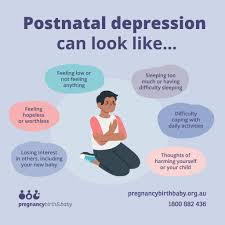
The early months after childbirth are often filled with unexpected emotions. It’s normal to feel joy, anxiety, fear, and even sadness as you adjust to your new role. Postpartum depression (PPD) affects many mothers and can make everyday tasks feel impossible. It’s essential to recognize the signs of PPD, such as persistent feelings of sadness, hopelessness, or emotional numbness.
If you’re Struggling After Baby emotionally, don’t hesitate to reach out for help. Talking to a therapist, joining support groups, or confiding in a close friend can be incredibly beneficial. Self-care practices, such as meditation, journaling, or simply allowing yourself to rest, can also provide much-needed relief.
Physical Recovery After Childbirth
Your body undergoes significant changes during pregnancy and childbirth, and the recovery process can take time. Physical discomfort, such as soreness, bleeding, or trouble sleeping, is common in the weeks after birth. While many people are aware of the challenges of labor, the recovery period often doesn’t get enough attention.
Take it easy during the first few weeks and prioritize your physical health. Remember to follow your doctor’s advice on exercise, nutrition, and rest. If you experience ongoing pain, complications, or any concerns, be sure to consult your healthcare provider.
Balancing Baby Care and Personal Time
One of the most challenging aspects of life after a baby is balancing the needs of your newborn with your own. Caring for a baby is a full-time job in itself, and it can feel like there’s little time left for yourself. This can lead to feelings of burnout and frustration.
It’s crucial to set boundaries and ask for help when needed. Enlist the support of your partner, family members, or friends to share the load. Even small moments of self-care, such as taking a walk alone or reading a book, can help you recharge. Restoring balance in your daily life requires a team effort, so don’t hesitate to accept help when offered.
Navigating Changes in Relationships
The arrival of a baby often brings significant changes to a relationship, especially with your partner. The added responsibility of caring for a newborn can create stress and strain in your relationship, as both partners adjust to their new roles. Communication and patience are key to maintaining a healthy relationship during this time.
Make time for each other, even if it’s just a few minutes a day. Simple gestures like expressing gratitude, sharing a laugh, or planning a date night can help you stay connected. Be sure to acknowledge the efforts of your partner, and remember that this phase of life is temporary. With time, you’ll both find new ways to navigate parenthood together.
Seeking Professional Help When Needed
If you feel like the Struggling After Baby? are becoming overwhelming and you cannot manage on your own, it’s important to seek professional help. Postpartum support can include therapy, medication, or counseling. There is no shame in reaching out for assistance, and early intervention can make a significant difference in your emotional and mental well-being.
Conclusion
The postpartum journey is unique for every individual. While the initial weeks and months can be challenging, there are many ways to find support and regain your strength. Take one day at a time, lean on your support network, and prioritize your own health and well-being. With time and patience, you will find your rhythm and emerge stronger as a parent. Remember, it’s okay to struggle—what matters is how you respond and seek the help you need.